
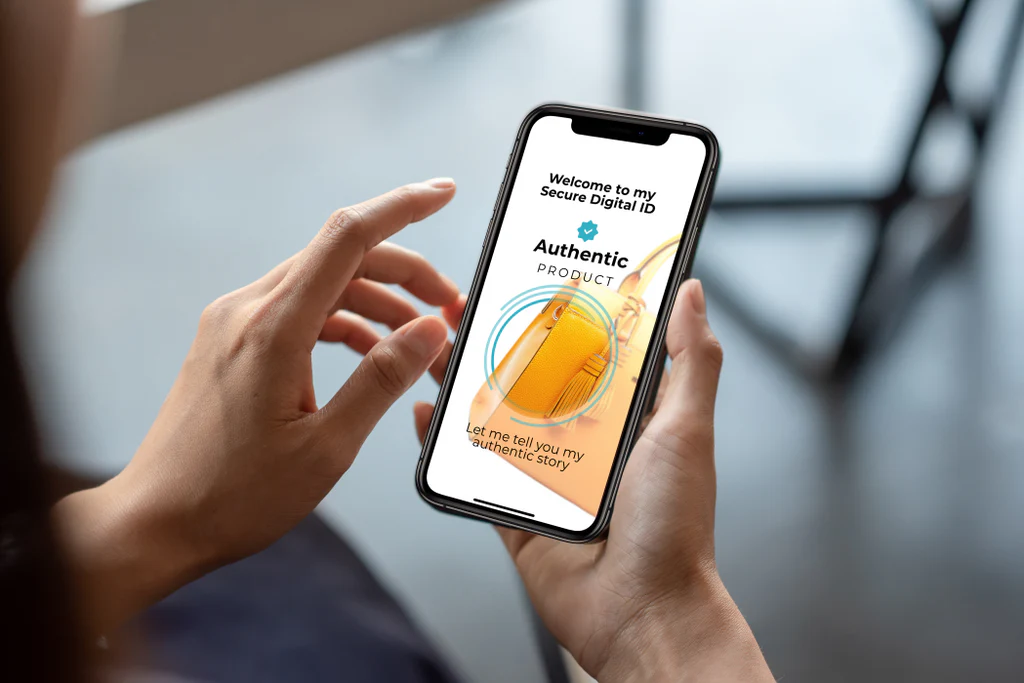
After all, for many people the purchase of a luxury handbag or a pair of brand-name shoes involves sacrifices, while for others it is a real investment. Either way, consumers want to safeguard the money they spend. However, there are other compelling reasons why consumers demand product authenticity.
Reasons why consumers demand product authenticity
1) Health protection
Product authentication plays a crucial role in protecting consumer health in several ways.
First of all, it helps ensure that products meet the required safety standards. Indeed, counterfeit or fraudulent products may pose serious health risks as they may not undergo proper quality control or testing. Product authentication helps verify the origin, ingredients, and manufacturing processes, ensuring that consumers are not exposed to potentially harmful substances or contaminants.
Moreover, authenticating a product allows brands to demonstrate that they are compliant with regulations, such as the REACH Regulation, or the Registration, Evaluation and Authorisation of Chemicals, which is an EU-wide regulation aimed at ensuring that all products sold in Europe meet strict safety standards. REACH requires any product made with chemicals to be registered with the European Chemicals Agency (ECHA).
Thanks to product authentication systems, consumers can make informed decisions, and protect themselves from counterfeit or substandard products that could have detrimental effects on their well-being.
2) Safety
The risks of counterfeit products come not only from the chemicals they may contain, but also from the raw materials they are made of and their structure.
Let’s take children’s toys as an example. A fake product might be made of poor-quality materials that easily break into small pieces that children could inhale or injure themselves with. Similarly, products such as sunglasses, or even helmets and body protectors for hazardous work or extreme sports might also prove ineffective. In certain industries, such as automotive or aerospace, unauthorised modifications or counterfeit components can jeopardise safety.
Product authentication helps ensure that manufacturers and distributors comply with safety regulations and industry standards. It helps identify genuine parts and equipment, reducing the risk of using counterfeit or substandard components that may compromise the overall safety and reliability of the end product.
Authentic products are more likely to have undergone rigorous testing and quality assurance processes, meeting the necessary safety requirements. By purchasing authenticated products, consumers can have confidence that they are buying safe products.
3) Performance
Let’s go back for a moment to the sports sector. Both professionals and those who are passionate about a certain discipline seek constant performance improvement. And this also depends on the products they use, whether they are gear, clothing, accessories or components. The quality of these can make all the difference.
In a sense, sports consumers are paying for technical innovation contained in products, so they want to be sure that these perform. And since fake products do not have the same quality as original products, they do not perform in the same way (not to mention the health and safety risks we have already mentioned). That’s why product authentication is important, because it gives consumers confidence that they have invested in something that can really deliver the performance they have invested in.
4) Values and ethical reasons
Consumers are increasingly concerned about the ethical aspects of their purchasing decisions, and they want to support brands that operate with integrity. Authenticity is often perceived as an indicator of a brand’s commitment to ethical considerations, leading consumers to choose authentic products over alternatives.
Let’s take a closer look to the various values and ethical reasons for which consumers demand authentic products:
Only a product that can be authenticated can offer a guarantee that the story it has to tell is also authentic. If you can’t trust the product is authentic, how can you trust the story that it tells?
Authenticity beyond the product
In the eyes of many consumers, authenticity is not just something about the product, but about the brand.
Products talk about brands, their values, mission and vision. They are a means for companies to prove themselves consistent with their storytelling. In a sense, only authentic brands can create authentic products. Consumers value brands that consistently deliver genuine and reliable products. So, authenticity builds a sense of credibility.
Product authentication contributes to building consumer trust by assuring them that they are purchasing the right product from the right company. And when consumers have confidence in the authenticity of a product (and of a brand), they are more likely to trust the brand and make repeat purchases. In other words, building trust drives sales. It fosters long-term relationships, creating a positive reputation for the brand and a greater satisfaction for the consumer.


