
In March 2020, the European Commission adopted the New Circular Economy Action Plan (CEAP), as part of the European Green Deal, the agenda for sustainable growth.
The need to switch to an environmentally and socially sustainable -still competitive- economy comes from simple, but disturbing, evidence.
As reported in the official document of the New Circular Economy Action Plan:
There is only one planet Earth, yet by 2050, the world will be consuming as if there were three.
Therefore, the green EU transition towards a circular economy aims to reduce the use of natural resources without affecting economic growth. The ultimate goal is climate neutrality by 2050.
The role of the textile industry
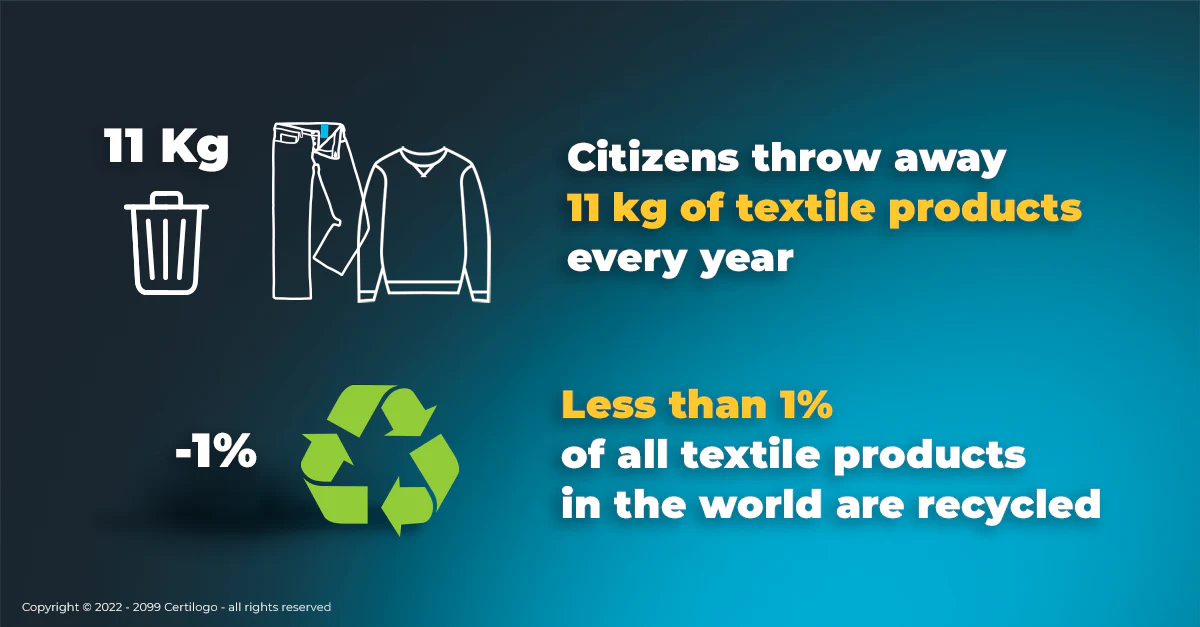
Every year, businesses within the EU produce 2.5 billion tons of waste, while each citizen produces almost half a ton of waste. In particular, citizens throw away 11 kg of textile products every year.
At the same time, global textile production nearly doubled between 2000 and 2015, but clothing and footwear consumption is expected to increase by 63% by 2030. Unfortunately, less than 1% of all textile products in the world are recycled.
In addition, the textile industry ranks fourth for consumption of raw materials and water, and fifth for greenhouse gas emissions.
In this context, it is clear that textiles are one of the products on which the New Circular Economy Action Plan focuses most.
The EU wants to increase the competitiveness and innovation of the sector by favoring circular economic models. This means many things. For example, discourage Fast Fashion production and encourage the reuse of textile products.
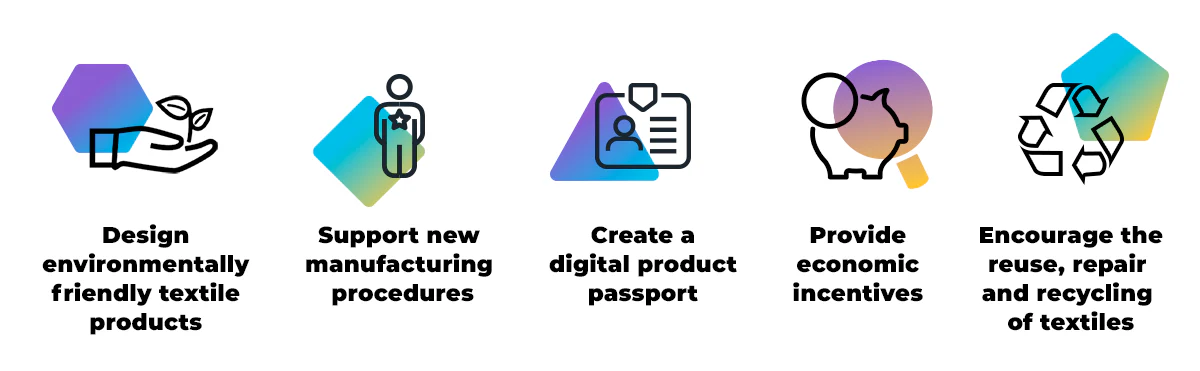
In particular, the CEAP plans to:
Waste, sustainability and circular economy
The New Circular Economy Action Plan includes legislative and non-legislative measures that affect the entire life cycle of products. Disposal is also part of this cycle.
A circular and sustainable economy is based on recycling and reuse. In this sense, the EU plans to introduce obligations regarding recycled content in products.
In addition, the EU wants to review the legislation on the export of waste. These exports have negative effects on the environment and health in the destination countries. Moreover, they represent a waste of resources and economic opportunities for the European recycling industry.
As regards the textile industry, Europe plans to follow two directions:
Therefore, textile companies will have to follow mandatory design requirements to ensure sustainable and circular products. These will extend the life of the clothing. Together with the new rules on waste management, companies will set a new paradigm alternative to fast-changing fashion trends.
A cultural change behind the New Circular Economy Action Plan
The adoption of a circular economy is necessary to ensure the sustainability of production activities. This is true both from an environmental and an economic point of view. In fact, consumers have become much more attentive to environmental protection. Many of them expect brands, especially in luxury, to be aware of their ecological footprint and to commit to reducing it. The same goes for their supply chain.
Furthermore, the EU believes that, thanks to the single market and digital technologies, the circular economy can strengthen industries and encourage the creation of new businesses. This will create new innovative jobs and spread knowledge and skills.
In other words, the New Circular Economy Action Plan heralds both profound economic and cultural change.
Frans Timmermans, Vice President of the European Commission said to Ansa:
Taking a look at what the big fashion brands and the most important designers are doing, they are already changing design. They have already understood that we are in a different world.
Sustainability “is necessary but it is also wanted by the consumer, especially those who can afford to pay higher prices for better products. I, therefore, believe that there is also a cultural change that we must stimulate with European legislation.
According to the European Commissioner for the Environment Virginijus Sinkevicius, the new regulation for sustainability in the textile industry should be ready by 2024.


